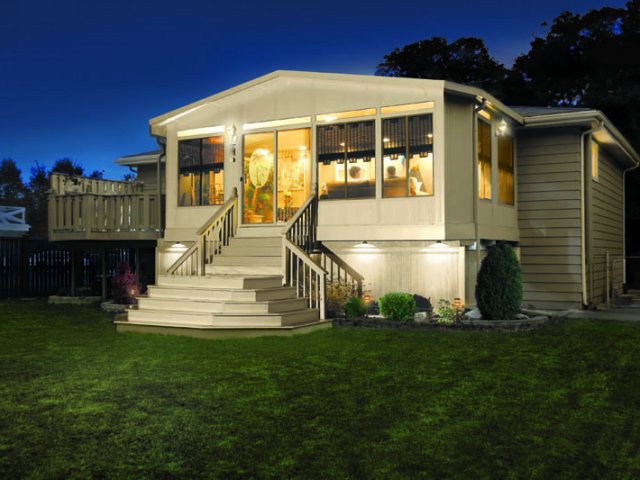
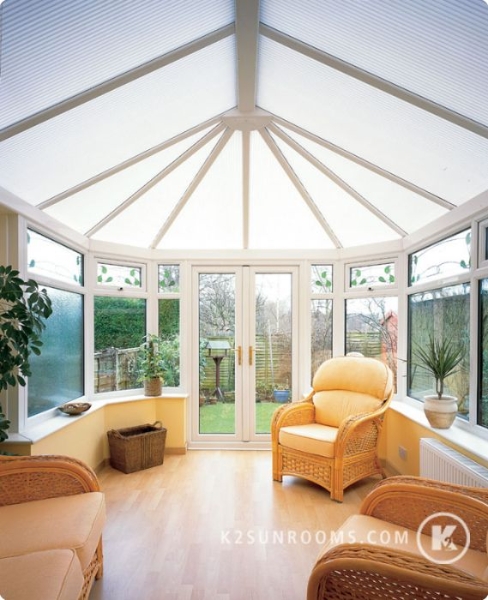
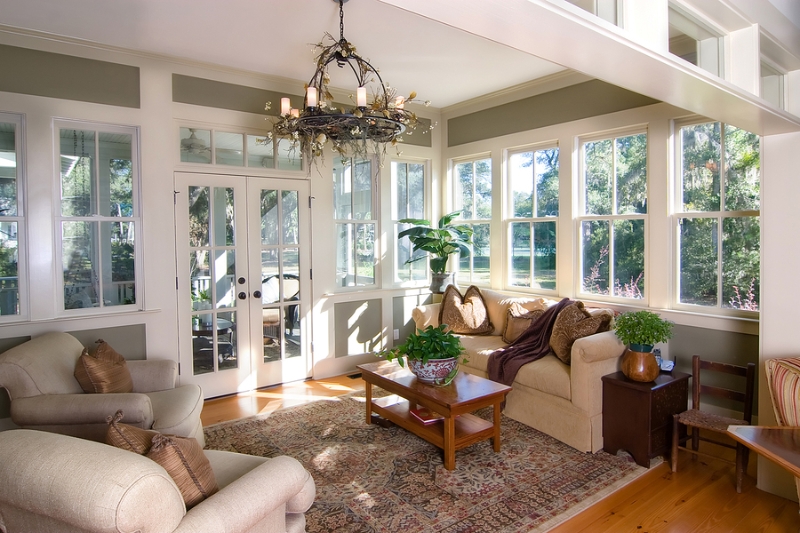
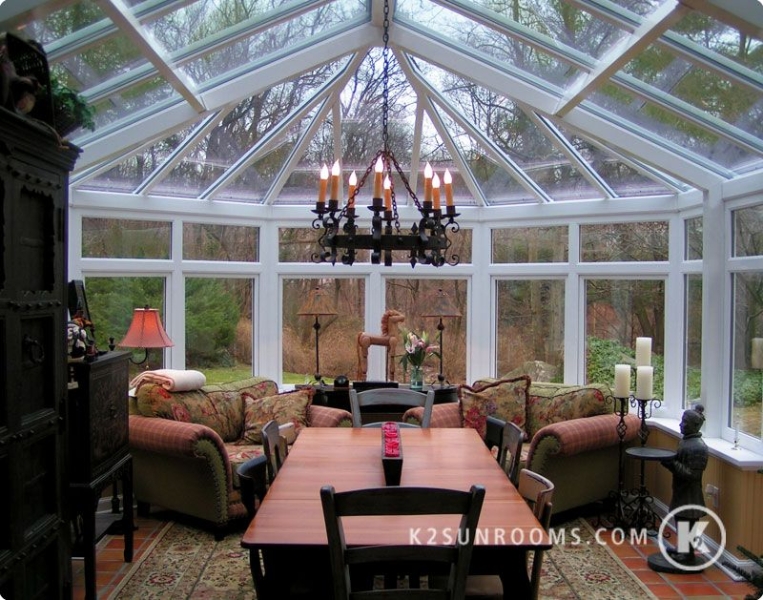
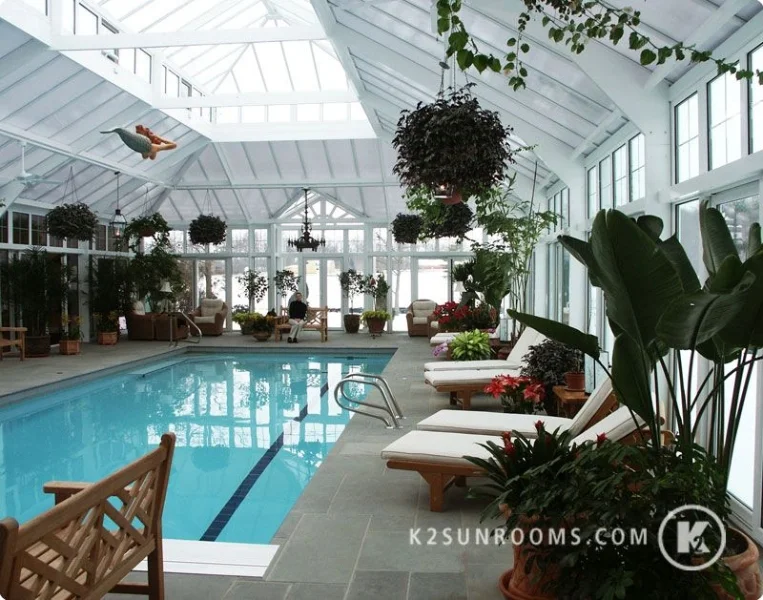
Adding a sunroom, solarium, or patio enclosure to your home is one of the most rewarding investments you can make. It captures that gorgeous Northern California sunlight, expands your living space, and seamlessly blends indoor comfort with outdoor living.
However, because a sunroom sits at the complex intersection of engineering, glass architectural design, and strict California building codes, choosing the right contractor isn’t just about finding the lowest bid—it’s about protecting your home.
With 23 years of hands-on construction and remodeling experience right here in the San Francisco Bay Area, I have seen every type of sunroom project imaginable. I’ve stepped in to fix unpermitted “kits” that leaked during winter rains, and I’ve guided homeowners through the most stringent municipal planning departments.
If you want to ensure your room addition is beautiful, legal, and built to last, look for these four non-negotiable signs when vetting a Bay Area sunroom contractor.
1. They Hold a Full Class B General Building License (Not Just a Specialty Tag)
In California, the legal framework around contracting is precise. Many companies marketing “patio enclosures” or “sunroom kits” operate under restricted specialty classifications or the newer, non-structural B-2 residential remodeling license.
For a true, seamless sunroom addition that stands the test of time, you want a team backed by a full Class B General Building License.
Why this matters: A sunroom is a multi-trade, structural undertaking. It requires concrete foundation engineering, structural framing, specialized glazing (glasswork), roofing, and often dedicated electrical routing. A Class B General Building Contractor possesses the verified structural expertise and legal authority to self-perform or manage every single one of these trades under one cohesive contract.
Furthermore, under California law (including strict enforcement updates through Senate Bill 216), a reputable contractor must carry active Workers’ Compensation Insurance and a valid contractor’s bond. Never hesitate to look up a license directly on the California Contractors State License Board (CSLB) portal. If their license isn’t completely clean and active, walk away.
2. They Navigate Hyper-Local Permitting and the 2025 California Building Code
The Bay Area is a patchwork of microclimates, seismic zones, and highly distinct municipal planning rules. A contractor who builds a patio enclosure in the central valley will be completely lost trying to permit an architectural solarium in the hills of Los Gatos or the historic districts of San Francisco.
Your contractor must understand how to design and build for the 2025 California Building Code (Title 24), which governs structural integrity, seismic safety, and strict energy efficiency standards.
An expert local contractor won’t guess at these variables. They will know exactly how your local building department handles residential additions and will design your structure to pass municipal plan checks on the very first cycle.
3. They Specialize in Glass and Microclimate Engineering
The Bay Area’s weather varies wildly by ZIP code. A sunroom built in the foggy Sunset District of San Francisco requires radically different thermal and structural engineering than a sunroom built in sunny Concord or Union City.
When evaluating contractors, ask detailed questions about their materials:
- Glazing and Thermal Performance: Are they using high-performance, dual-pane Low-E (low-emissivity) glass? In hot Tri-Valley summers, standard glass transforms a sunroom into an unusable greenhouse. In foggy coastal areas, poor insulation turns it into an icebox.
- Seismic and Wind Load Engineering: Because we live in a high-activity fault zone, your sunroom must be engineered to flex and withstand seismic movement. This requires robust aluminum or wood-clad framing tied securely into a professionally poured concrete foundation.
- Water Mitigation: Bay Area winter downpours will ruthlessly exploit any shortcut. A true authority uses commercial-grade flashing, custom-engineered drainage gutters, and high-tier sealing systems specifically built for low-slope glass roofs.
4. They Have a Deep Portfolio of Hyper-Local Neighborhood Projects
Any general handyman can claim they know how to build a sunroom, but a local authority will have a physical portfolio of completed projects in your immediate vicinity.
When interviewing contractors, look for specific, local case studies. They should easily be able to tell you:
“We recently wrapped up a gorgeous, custom solarium in the Almaden Valley neighborhood of San Jose that perfectly matched the home’s existing stucco architecture,” or “We just completed an energy-compliant patio enclosure over in Redwood City that required specialized engineering due to the local soil conditions.”
A deep regional presence means the contractor has established relationships with local structural engineers, understands local soil variances, and relies on a trusted, vetted network of local craftsmen.
The Ultimate Consultation Checklist
Before signing a contract or putting down a deposit, ensure you check these four boxes during your design consultation:
- Verify the License: Check the CSLB portal to ensure they hold an active Class B General Building license with up-to-date Workers’ Comp.
- Ask About Permits: Ensure the contractor is filing the structural, electrical, and building permits through your specific city portal (like SJePlans in San Jose). Avoid any contractor who asks you to pull an “Owner-Builder” permit.
- Review Title 24 Compliance: Confirm that the glass and framing materials meet California’s stringent energy efficiency standards for your climate zone.
- Get a Detailed Scope of Work: The estimate should explicitly detail the foundation excavation, structural framing materials, exact glass specifications, and warranties against leaks or seal failures.
Building a sunroom should be an exciting, stress-free transformation for your home. By choosing a contractor backed by decades of local experience and true structural licensing, you ensure your new favorite room is beautiful, compliant, and built to enjoy for decades to come.