The “Bargain” Trap: Why Sunroom Kits Often Cost More in the Bay Area
As a specialist with 23 years of experience building in the Silicon Valley, I’ve seen countless homeowners lured in by the promise of a “box-to-backyard” sunroom kit. On the surface, the appeal is obvious: a lower price tag and a seemingly straightforward weekend project. However, in the San Francisco Bay Area, the reality of building is shaped by strict seismic codes, complex energy requirements, and a demanding regulatory environment.
If you’re deciding between a pre-engineered kit and a custom professional build, here is the insider truth about what you’re actually buying.
1. The “Fix-It” Factor: Engineering for Seismic Zones
National kit manufacturers design for the “average” American backyard. Unfortunately, the Bay Area is anything but average. Our seismic requirements are among the most stringent in the world.
I’ve witnessed kits from major retailers fail inspection in Palo Alto because the “ledger”—the point where the sunroom attaches to your house—wasn’t rated for our lateral load requirements. In one case, a homeowner had to spend an additional $9,000 to retroactively install custom steel moment frames inside their “bargain” kit just to satisfy the city inspector. By the time you modify a kit to meet local code, you’ve often spent more than you would have on a custom-framed addition.
2. The Warranty Trap
This is the “Catch-22” of sunroom kits. Most manufacturers provide a warranty only if the unit is installed exactly according to their manual. However, to pass a California building inspection, we often have to add seismic strapping or internal reinforcements. The moment a contractor drills a new hole into that frame to meet code, the manufacturer’s warranty is usually voided. You are left with a structure that neither the manufacturer nor the insurance company will fully back.
3. Longevity vs. Temporary Solutions
There is a massive difference in the “lifespan” of these materials:
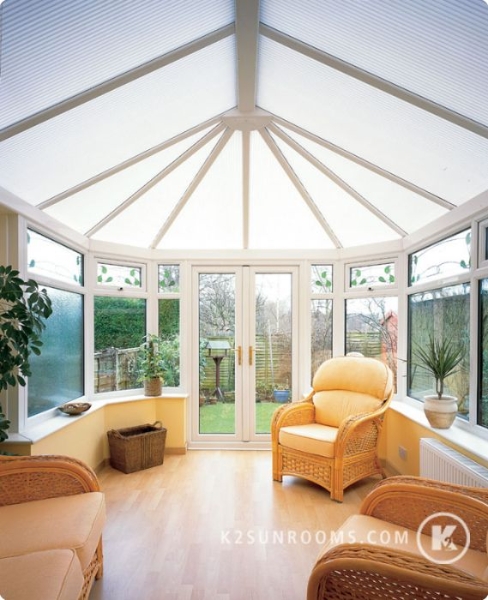
- The Retail Kit: Built with thin-gauge aluminum and standard gaskets, these units are typically designed for a 10–12 year cycle before seals fail or the metal begins to pit.
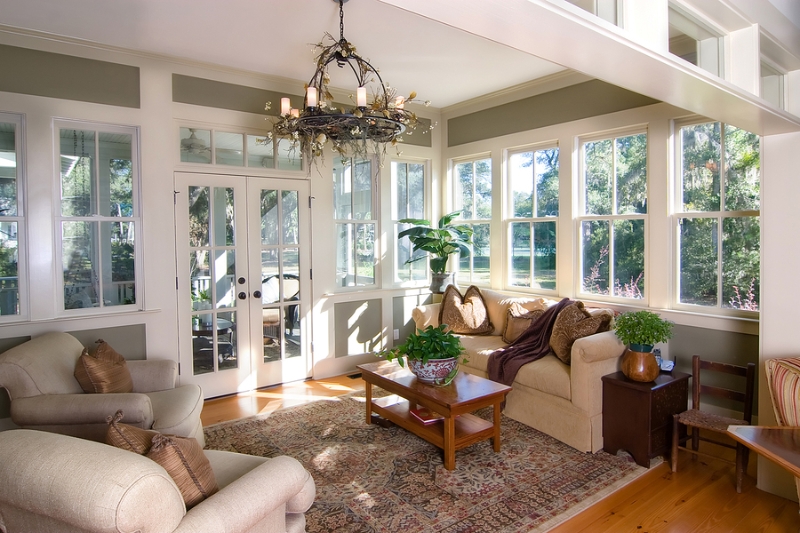
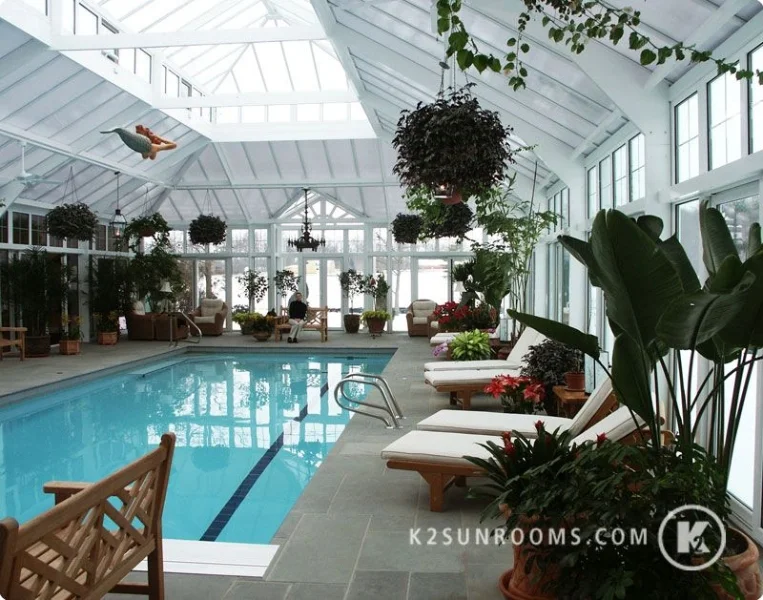
- The Custom Build: At Sunrooms N More, we use heavy-duty, thermally broken extrusions and high-end gaskets. These rooms are built to the same standards as your primary residence, easily lasting 25–30+ years with minimal maintenance.
4. Aesthetic “Red Flags”
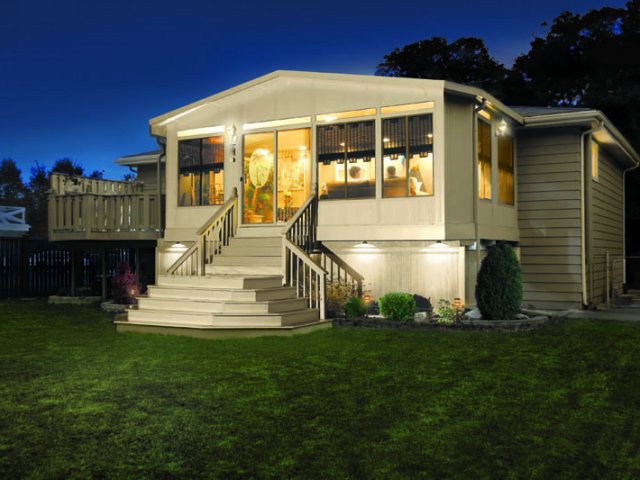
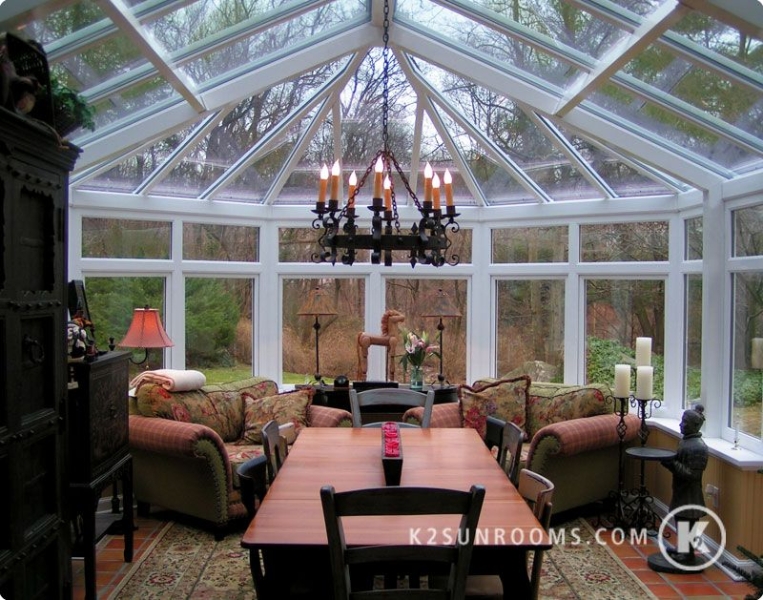
A sunroom should look like a natural extension of your home, not a bolted-on afterthought. Kits often scream “DIY” due to mismatched rooflines, generic white-only finishes, and thin-profile gutters that don’t match your home’s existing drainage. A custom build integrates seamlessly with your siding, shingles, and architectural style, which is vital for maintaining your home’s curb appeal.
5. The Appraisal Reality: Value vs. Liability
In the San Jose market, a non-permitted or poorly integrated kit can actually hurt your home’s resale value. Appraisers often categorize unpermitted kits as “non-permanent patio covers” rather than living space. Worse, if a kit lacks a Title 24 Energy Report, it may become a liability during a home inspection, forcing the seller to remove it or pay for expensive retroactive permitting before a bank will fund a buyer’s loan.
The “Warren” Rule of Thumb If you want a simple screened-in area for a temporary seasonal retreat, a kit might suffice. But if you want a code-compliant, energy-efficient room that adds legitimate square footage and value to your Silicon Valley home, the regulatory environment is simply too complex for “out of the box” solutions.
Do it once, and do it right.