If you’ve spent any time searching for “how much a sunroom costs,” you’ve likely seen national averages suggesting you can bolt a glass room onto your house for $15,000 or $20,000.
As someone who has spent 23 years building in the San Francisco Bay Area, I have to be blunt: those numbers are a fantasy in Silicon Valley.
Between our unique seismic requirements, the nation’s strictest energy codes, and a labor market that is unlike anywhere else in the world, building here is a different beast. At Sunrooms N More, I believe in transparency. If you are planning a project in San Jose, Palo Alto, or Willow Glen, you deserve to know exactly what goes into your quote.
Here is the truth about what it actually costs to build a sunroom in the Bay Area in 2026.
1. The “Bay Area” Premium
The first thing you need to know is that local homeowners should expect to pay 30% to 50% more than the national averages cited on popular DIY or contractor matching sites.
Why the gap? It isn’t just “Silicon Valley inflation.” It’s the cost of doing business safely and legally in California. We face some of the highest labor rates in the country, but more importantly, the overhead for California-mandated insurance, workers’ comp, and high-tier licensing is immense. When you hire a local specialist, you aren’t just paying for the glass; you’re paying for a crew that can navigate high-density neighborhoods and ensure your home remains compliant with evolving state laws.
2. The Paperwork: Permits, Seismic, and Title 24
In cities like San Jose or Redwood City, a permit isn’t just a fee you pay at a window. It is a comprehensive vetting process. For a modern sunroom, you should budget between $1,200 and $2,500 for the paperwork alone.
- Title 24 Energy Calculations ($500–$800): California law requires us to prove that your new room won’t become a “heat sink” that wastes energy. We have to calculate exactly how the glass affects your home’s thermal footprint.
- Seismic Engineering ($1,500–$3,000): We live on a fault line. Your sunroom cannot simply be “attached” to your house; it must be engineered so it doesn’t pull away or collapse during a quake.
- City Filing Fees ($2,000+): Local municipalities have significant administrative costs that must be covered before a single nail is driven.
3. The Foundation Reality Check
Most homeowners tell me, “We can just pop it on the existing patio slab, right?” In about 70% of cases, the answer is no. Standard 3-inch patio slabs are designed to hold the weight of a bistro set, not a structural sunroom. Building on an unreinforced slab leads to sinking, cracking, and—eventually—shattering glass panels. A new code-compliant footing typically adds $4,000 to $10,000 to the budget, but it is the only way to guarantee the structural integrity of your investment.
4. Three-Season vs. Four-Season: The $20,000 Gap
In our Mediterranean climate, the choice between a three-season and four-season room is a big one.
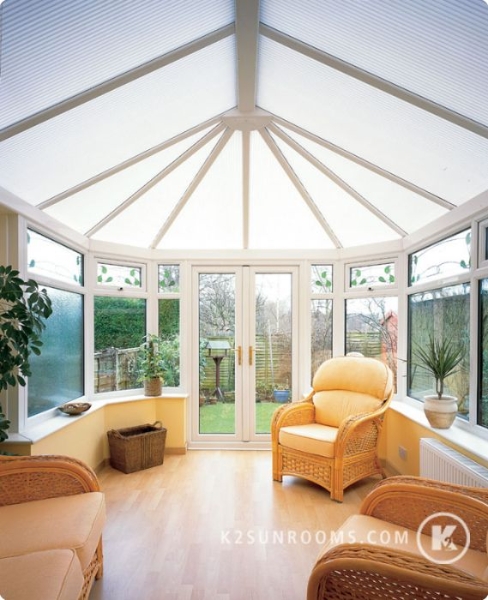
A three-season room is great for about 8 to 9 months of the year, but it lacks a “thermal break.” A four-season room, however, is built with thermally broken frames, insulated floor/roof systems, and Low-E3 dual-pane glass. The jump in price is usually $15,000 to $25,000.
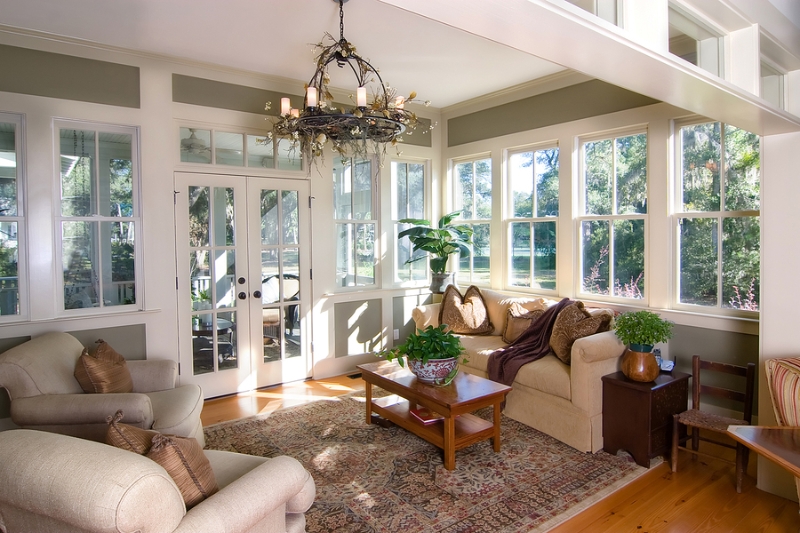
Why the cost? A four-season room must be integrated into your home’s HVAC system to be legally considered “living space.” This adds mechanical and electrical complexity but offers the highest ROI because it increases your home’s official conditioned square footage.
5. The Hidden “Gotchas” (Electrical and Drainage)
Every year, I see budgets blown by two things: panels and pipes.
Many older homes in neighborhoods like Willow Glen still have 100-amp electrical panels. Once you add the lights, outlets, and the mini-split AC unit required for a sunroom, that panel is maxed out. Triggering a main panel upgrade can add $3,500+ to your project.
Additionally, you have to consider where the water goes. Redirecting roof runoff so it doesn’t flood your new foundation is a critical step that often costs an additional $2,000 in site prep and drainage.
6. Accessibility and Site Logistics
If you live in a high-density area with narrow side yards, accessibility becomes a factor. If a crew has to hand-carry 150lb glass panels down a 3-foot wide path because a crane can’t fit, it doubles the man-hours. Expect a 5% to 10% labor surcharge for “tight” sites where staging materials is a logistical puzzle.
7. The “Home Depot” Kit Myth
I often get asked about pre-engineered kits. While the materials might be 40% cheaper upfront, the labor often ends up being equal to a custom build. Why? Because “fixing” a generic kit to meet specific California seismic codes often requires so much modification that it would have been faster (and better) to build a custom-framed unit from the start.
8. Where to Spend Your Money: The Best ROI
If you have an extra $5,000 in your budget, put it into Low-E3 Glass with Argon Gas. In the Silicon Valley heat, standard glass makes a sunroom unusable from 2 PM to 6 PM. Low-E3 glass keeps the room significantly cooler and is the first thing buyers look for in a home inspection. It turns what could be a “glorified greenhouse” into a luxury year-round room.
9. Case Studies: The Range of Cost
To give you a concrete idea of the scale:
- The Entry-Level Project: A 10×12 patio enclosure in San Jose (non-conditioned, existing reinforced slab) typically runs $28,000 – $35,000.
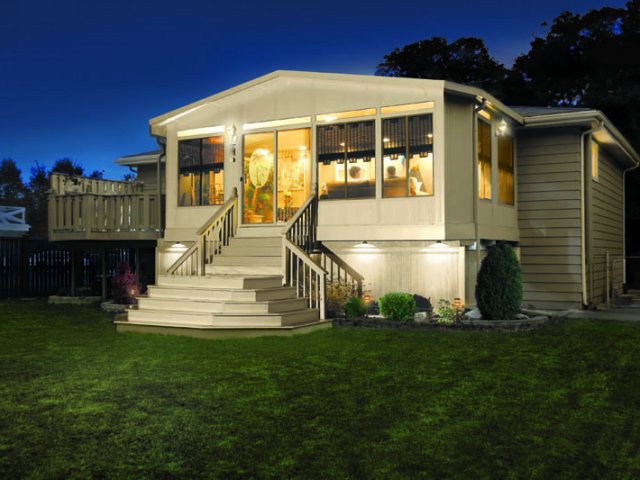
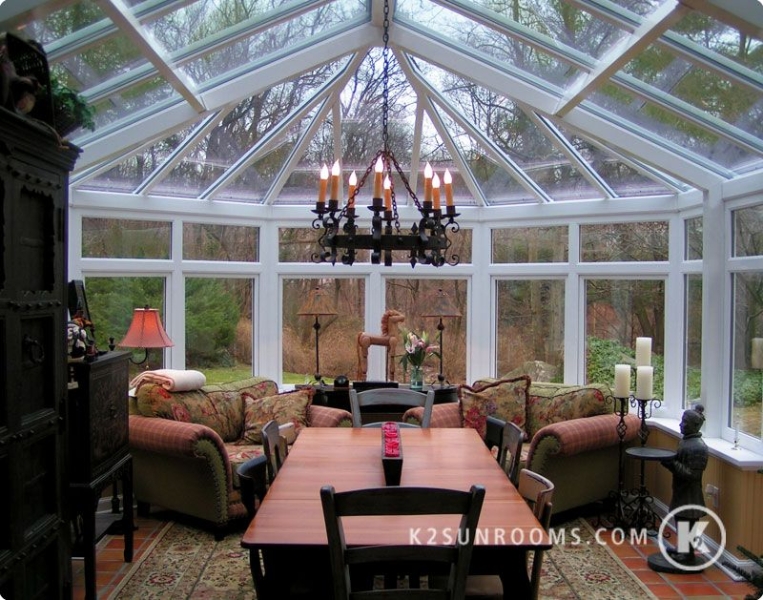
- The High-End Project: A 15×20 custom Four-Season Sunroom in Almaden Valley (new foundation, HVAC, vaulted ceilings, Low-E3 glass) typically runs $85,000 – $115,000+.
10. The #1 Mistake: The “Handyman” Trap
The biggest mistake I see? Homeowners trying to save $10,000 by hiring a general handyman who “does everything.”
Sunrooms are specialized structures. I’ve been called in too many times to fix rooms that leak, failed their Title 24 inspections, or weren’t seismically anchored. By the time I’m done fixing the errors, the homeowner has spent twice what my original expert quote was.
My advice? Do it once, and do it right.
Ready to get an honest, expert look at your backyard? Whether you’re in San Jose, Palo Alto, or anywhere in between, let’s talk about how to build a space that lasts. Contact Sunrooms N More today for a consultation that respects your budget and your home’s value.