ROI and Resale Realities in the Silicon Valley Market
In the San Francisco Bay Area, “value” is a different conversation than it is in the rest of the country. When homes in Palo Alto, San Jose, and Los Gatos are trading for $900 to $1,100+ per square foot, every inch of your property is a high-stakes investment.
As someone who has spent 23 years at Sunrooms N More helping homeowners navigate this market, I can tell you that the return on a sunroom isn’t just about the dollar amount—it’s about strategic equity. Here is how a sunroom actually moves the needle on your home’s value in 2026.
1. The “Equity Jump”: $1,000/sq. ft. vs. Construction Cost
In cities like San Jose, the median sale price per square foot is hovering around $897, while in Palo Alto, it’s often double that.
- The Math: If a high-end, Four-Season sunroom costs you roughly $400–$500 per square foot to build, but it is permitted as “conditioned living space,” you are essentially creating instant equity.
- The Result: You are building at “wholesale” prices and potentially selling at “retail” square-footage rates. This is one of the few home improvements where the paper value of the addition can actually exceed the cost of construction from day one
2. The Appraisal Gap: Why “Official” Status Matters
I’ve seen homeowners lose out because an appraiser labeled their sunroom a “patio enclosure.” In the 2026 market, the distinction is binary:
- Three-Season: Viewed as a luxury amenity (like a high-end deck). It adds “wow factor” and lifestyle appeal but typically only recovers 50%–70% of its cost on an appraisal.
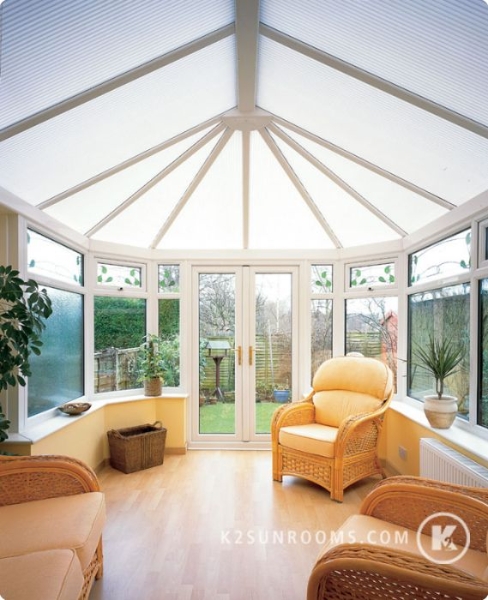
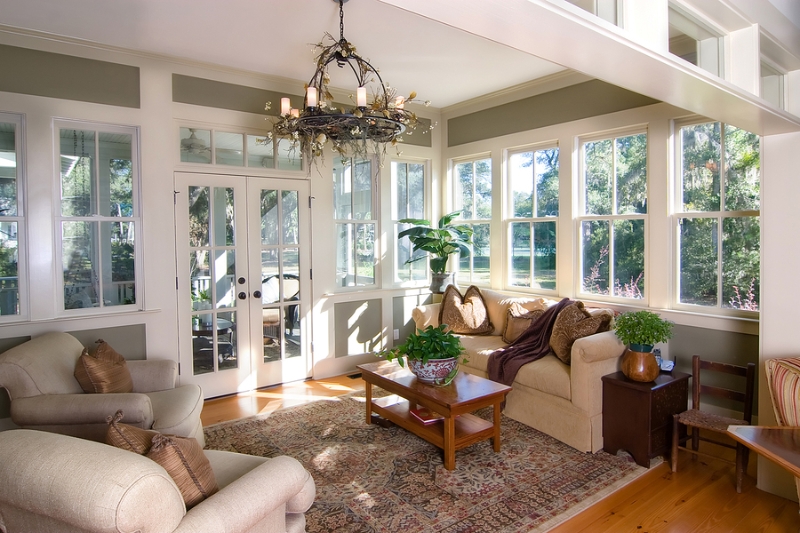
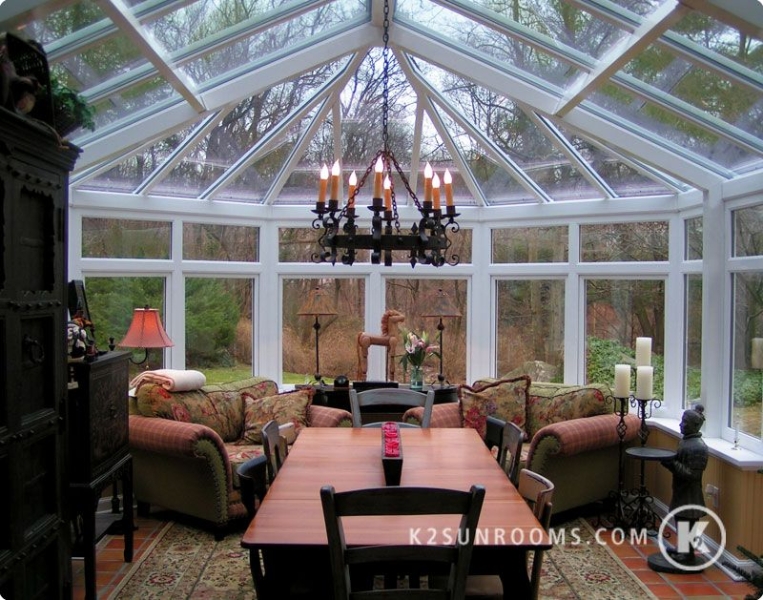
- Four-Season: Built to 2026 Title 24 energy specs with permanent heating and cooling. This counts as official square footage. When I help a client prove to an appraiser that their room is a fully conditioned, code-compliant addition, the valuation often shifts from “amenity” to “primary living space.”
3. The “Joy Score” vs. The “Wallet Score”
The National Association of Realtors consistently gives sunrooms a “Joy Score” of 9.0/10 or higher. In the tech-heavy South Bay, where remote work is the norm, the “Lifestyle ROI” is massive.
- A sunroom isn’t just a room; it’s a bug-free, light-filled office that keeps you sane during 100°F heatwaves. For many of my clients, the daily mental health benefit (the “Daily ROI”) is worth more than the eventual resale check.
4. Prop 13 and the Tax Advantage
A common fear in California is that a new addition will trigger a full property reassessment.
- The Reality: Under Proposition 13, only the new construction is assessed at current 2026 market rates. Your existing home and land retain their base-year assessment (plus the standard 2% annual adjustment). This means you add significant value to your home without your entire tax bill skyrocketing to current market levels.
5. The “Multiple Offer” Decide-Factor
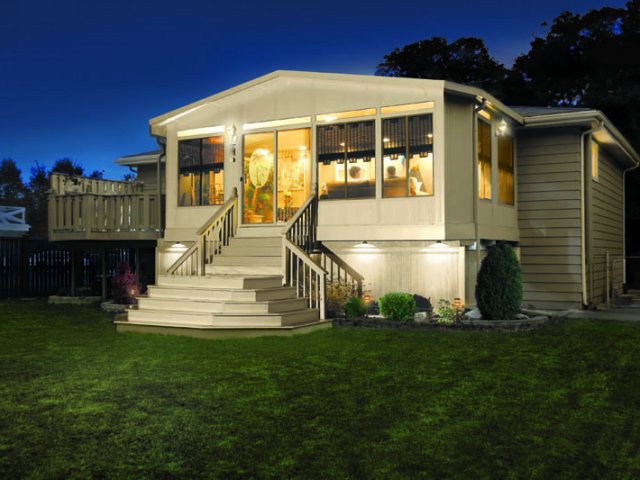
In neighborhoods like Almaden Valley or Willow Glen, houses can look very similar. A custom sunroom is often the “tie-breaker.” Even if an appraisal doesn’t credit every single dollar spent, a sunroom can trigger a multiple-offer situation. Buyers in 2026 are looking for “move-in ready” luxury, and a bright, indoor-outdoor space makes a home stand out in a sea of standard floor plans.
6. The Cost of “Cheap”: Subtraction vs. Addition
I have to be blunt: a poorly integrated, unpermitted “kit” build can actually subtract from your home’s value. During a 2026 home inspection, an unpermitted structure is flagged as a liability. I’ve seen sellers forced to credit buyers $20,000+ at the closing table just to cover the cost of removing or retroactively permitting a “fly-by-night” sunroom. If you don’t do it right, it’s an expense—not an investment.
7. The 23-Year Verdict
If you are planning to sell in the next 2 to 5 years, a sunroom is a strategic play to increase your “official” square footage and marketability. If you’re staying for 10+ years, it is a lifestyle investment that happens to pay for itself when you eventually move.
In the Bay Area, space is the ultimate currency. Build it right, and the market will reward you.